

The World’s Premier Crypto Trading Platform
Buy Bitcoin, Ethereum, and 350+ cryptocurrencies
Trade with 20+ fiat currencies and Apple/Google Pay
Leader in regulatory compliance and security certifications
Trusted by over 80 million users worldwide
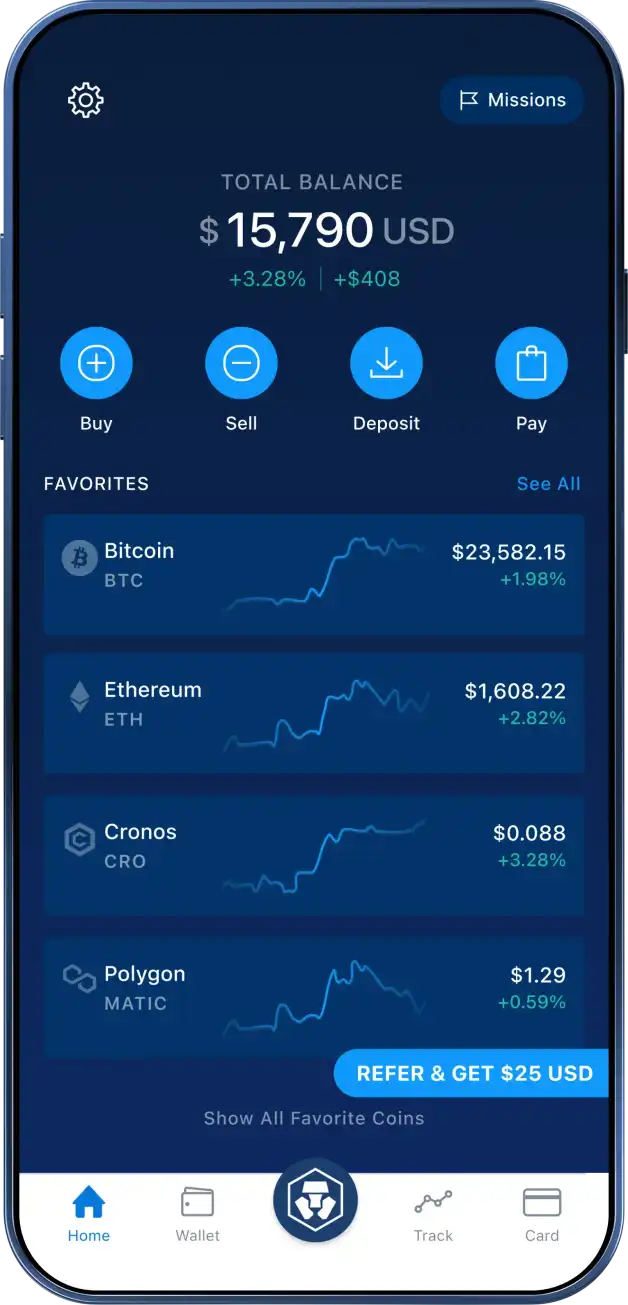
CRYPTO.COM PRICE
Buy Bitcoin, Ethereum, and 350+ cryptocurrencies
Your crypto journey starts here
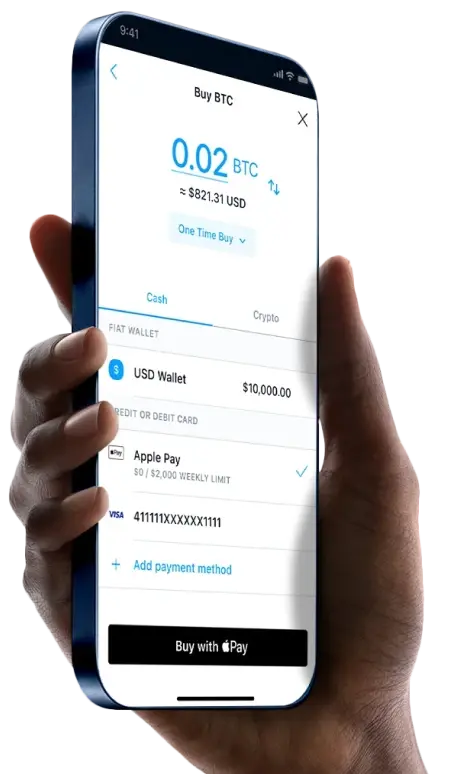
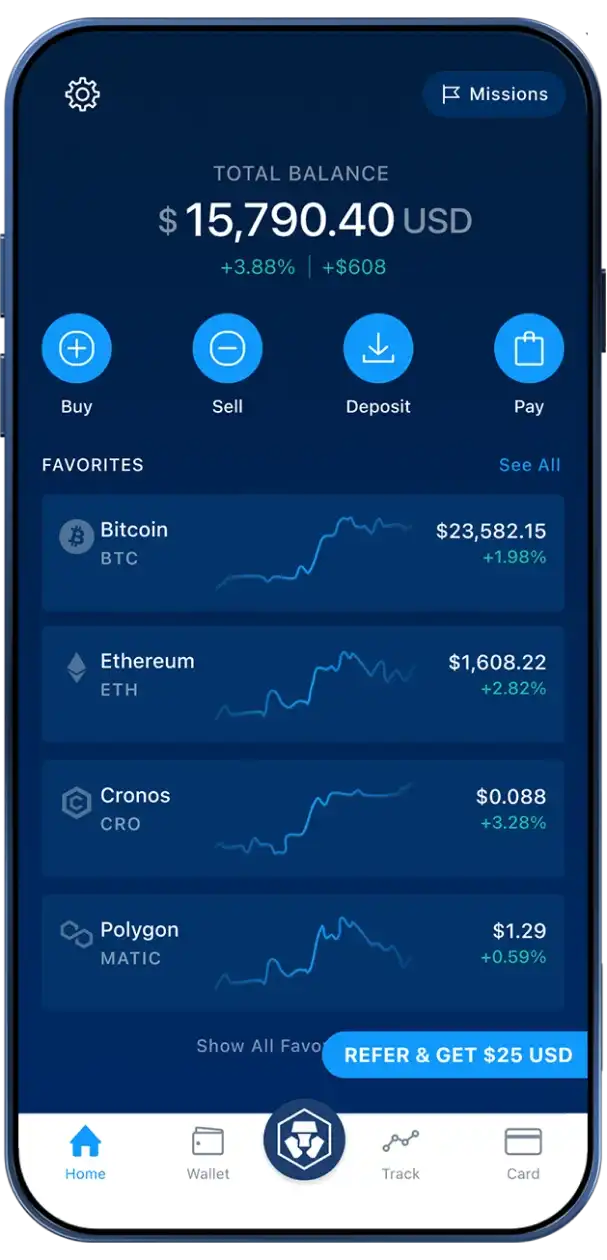
Buy crypto
Buy BTC, ETH, and other crypto easily via bank transfer.
Buy BTC, ETH, and other crypto easily
with
Price Alerts
Be notified on BTC, ETH, XRP prices, and more.
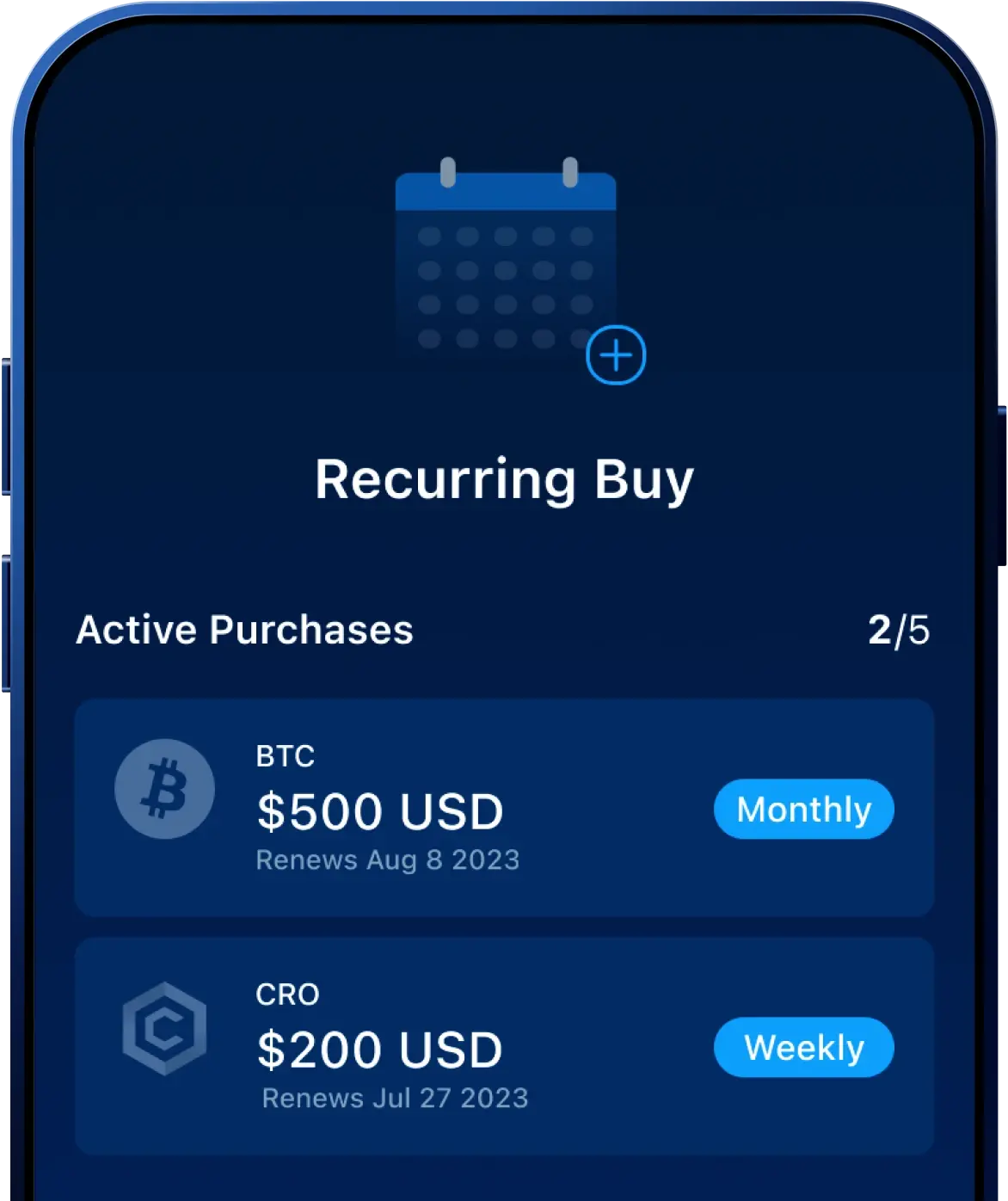
Recurring Buy
Grow your portfolio automatically with daily, weekly, or monthly trades.
On-chain Staking
Generate passive income by helping
to secure blockchains.
Join our 80M+ users
Get started today
Scan to download
the app

Join our 80M+ users
Get started today
Buy crypto
Buy BTC, ETH, and other crypto easily via bank transfer.
Buy BTC, ETH, and other crypto easily
with
Price Alerts
Be notified on BTC, ETH, XRP prices, and more.
Recurring Buy
Grow your portfolio automatically with daily, weekly, or monthly trades.
On-chain Staking
Generate passive income by helping
to secure blockchains.
Join our 80M+ users
Get started today
CRYPTO.COM VISA CARD
The only crypto card you need
Enjoy up to 5% back on all spending with your sleek, pure metal card.
No annual fees. Top-up with fiat or crypto.

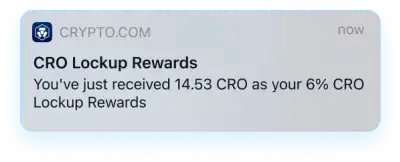
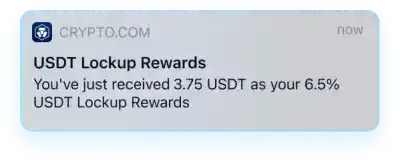
CRYPTO EARN
Get the most out of your assets, safely
Choose from 21+ cryptocurrencies including Bitcoin and stablecoins.
CRYPTO.COM EXCHANGE
Trade bitcoin and other crypto with confidence on the world's fastest and most secure crypto exchange
Liquidity
Speed
Security
OUR VISION
Cryptocurrency in Every Wallet™

0
0M
Frequently Asked Questions
Unlike traditional currencies, cryptocurrencies are not backed by a physical commodity or government, and their value is determined by market demand and supply. Cryptocurrencies can be used to buy goods and services, transfer funds, and trade in markets. Popular cryptocurrencies include Bitcoin, Ethereum, Litecoin, Ripple, and Cronos.
Many cryptocurrencies, like Bitcoin, are created through a process called mining, which involves solving complex mathematical equations to validate and record transactions on a blockchain. This mechanism is also called Proof of Work (PoW). Another consensus mechanism that has increased in popularity — as it is more energy efficient — is Proof of Stake (PoS). Instead of mining, PoS relies on network participants validating transactions. Ethereum, the second-largest cryptocurrency, uses this consensus mechanism.
Unlike traditional fiat currency, which is controlled by central banks and governments, Bitcoin operates independently of any central authority. Transactions are verified and recorded on the blockchain, which is a distributed ledger that maintains a permanent and transparent record of all transactions.
Bitcoin can be bought, sold, and exchanged on various cryptocurrency exchanges, and it can be used to purchase goods and services from merchants that accept Bitcoin as a form of payment. The supply of bitcoins is limited to 21 million units, and new bitcoins are created through mining, which involves using specialized computer hardware to solve complex mathematical equations.
Bitcoin is known for its high volatility, and its value can fluctuate rapidly in response to market conditions, news events, and other factors. Many traders, including institutional investors, see Bitcoin as a store of value and a way to participate in the growing cryptocurrency ecosystem.
- Brokerage services: Crypto brokers allow users to simply buy and sell cryptocurrencies. A popular example is the Crypto.com App, trusted by over 80 million users. It is available at the Apple Store and on Google Play.
- Cryptocurrency exchanges: These are online platforms where users can buy, sell, and trade cryptocurrencies using fiat currency or other cryptocurrencies. They offer more complex functions compared to a crypto brokerage, adding trading instruments like crypto derivatives. The Crypto.com Exchange is an example of a popular crypto exchange.
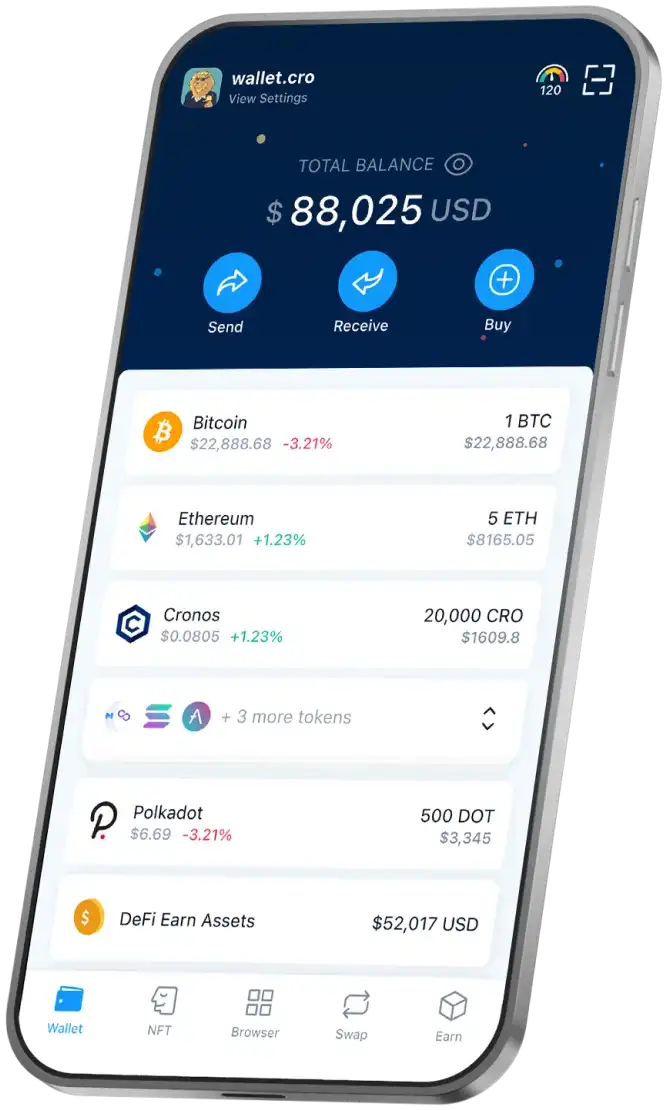
- Peer-to-peer (P2P) marketplaces: These are platforms where buyers and sellers can directly trade cryptocurrencies without the involvement of a third-party exchange. This is also known as DeFi, short for decentralized finance. Multiple P2P crypto marketplaces can be accessed all in one app via the Crypto.com DeFi Wallet.
- Choose a crypto platform to use, like the Crypto.com Exchange or Crypto.com App.
- Create an account on the chosen platform by providing personal information and ID verification, also known as ‘Know Your Customer’ (KYC) procedures.
- Deposit fiat currency or another cryptocurrency into the newly created account. The Crypto.com App supports bank transfers, credit cards, debit cards, and cryptocurrency transfers to buy crypto, depending on region.
- Navigate to the ‘Buy’ section of the Crypto.com Exchange or App and select the crypto to buy.
- Enter the amount of cryptocurrency to buy and confirm the transaction.
- The crypto will be deposited into the account. From here, it can be transferred to other crypto wallets or converted back to fiat currency and paid out to a bank account.
- Choose a reputable cryptocurrency platform that supports Bitcoin trading. Popular options include the Crypto.com App and the Crypto.com Exchange.
- Create an account on the chosen platform and complete the KYC verification process, which may require providing personal identification documents.
- Fund an account using a bank transfer, credit/debit card, or other cryptocurrency, depending on region.
- Navigate to the ‘Buy’ section of the platform and select Bitcoin as the cryptocurrency to buy.
- Enter the amount of bitcoin to buy, or the amount of fiat or cryptocurrency to spend.
- Review the transaction details and confirm the purchase.
- Once the transaction is complete, the bitcoin will be deposited into the chosen account. From here, the funds can be transferred to other crypto wallets or converted back to fiat currency and paid out to a bank account.
- Choose a cryptocurrency exchange that supports trading. A popular option is the Crypto.com Exchange.
- Create an account on the chosen platform and perform ID verification, known as KYC (‘Know Your Customer’).
- Deposit funds into the newly created account using a supported payment method. The Crypto.com Exchange supports bank transfers and credit/debit cards.
- Navigate to the trading section of the platform and select the cryptocurrency pair to trade.
- Choose whether to buy or sell the cryptocurrency, and enter the amount to trade.
- Set the preferred price and order type. There are several types of orders, including market orders, limit orders, stop orders, and crypto options, which allow users to buy or sell at a specific price or under certain conditions.
- Submit the trade order and wait for it to be executed. Depending on market conditions, the trade may be filled immediately, or it may take time to be filled.
- Monitor trades and adjust strategies as necessary.
It is crucial to note that trading cryptocurrency carries risk, and it is important to trade only what you can afford to lose.
- Mining: Cryptocurrency mining involves using specialized computer hardware to solve complex mathematical equations that validate transactions on a blockchain network. Successful miners are rewarded with newly minted cryptocurrency for their efforts.
- Staking/Lockups: Staking and lockups involve holding or locking up a certain amount of cryptocurrency in a wallet or on a platform to support the operations of the blockchain network. Stakers are rewarded with new cryptocurrency as a form of interest for their support.
- Trading: Trading cryptocurrency involves buying and selling cryptocurrencies on exchanges or other trading platforms. Those who have a good understanding of market trends and are able to make informed trading decisions can earn profits through trading.
- Airdrops: Airdrops are free distributions of cryptocurrency to users who meet certain criteria or participate in promotional activities.
- Crypto Projects: Some blockchain projects offer rewards or bounties for users who contribute to their development or community. This can include activities like bug bounties, testing, or content creation.
- The Crypto.com App, Exchange, and DeFi Wallet all offer different ways to earn rewards on crypto, called Crypto Earn.
- Create an account on the chosen platform and deposit cryptocurrency holdings into the rewards account.
- Depending on the platform, users may earn rewards through lending their cryptocurrency to other users or by locking up their cryptocurrency for a period of time.
- Some products offer fixed reward rates (e.g., the Crypto.com Visa Card), while others may offer variable rates that depend on market conditions (e.g., the 'Earn' feature in the Crypto.com DeFi Wallet).
- Monitor rewards and adjust strategies as necessary.
Have more questions? Contact Us



The purpose of this website is solely to display information regarding the products and services available on the Crypto.com App. It is not intended to offer access to any of such products and services. You may obtain access to such products and services on the Crypto.com App.
Please note that the availability of the products and services on the Crypto.com App is subject to jurisdictional limitations. Crypto.com may not offer certain products, features and/or services on the Crypto.com App in certain jurisdictions due to potential or actual regulatory restrictions.




Copyright © 2018 - 2024 Crypto.com. All rights reserved.